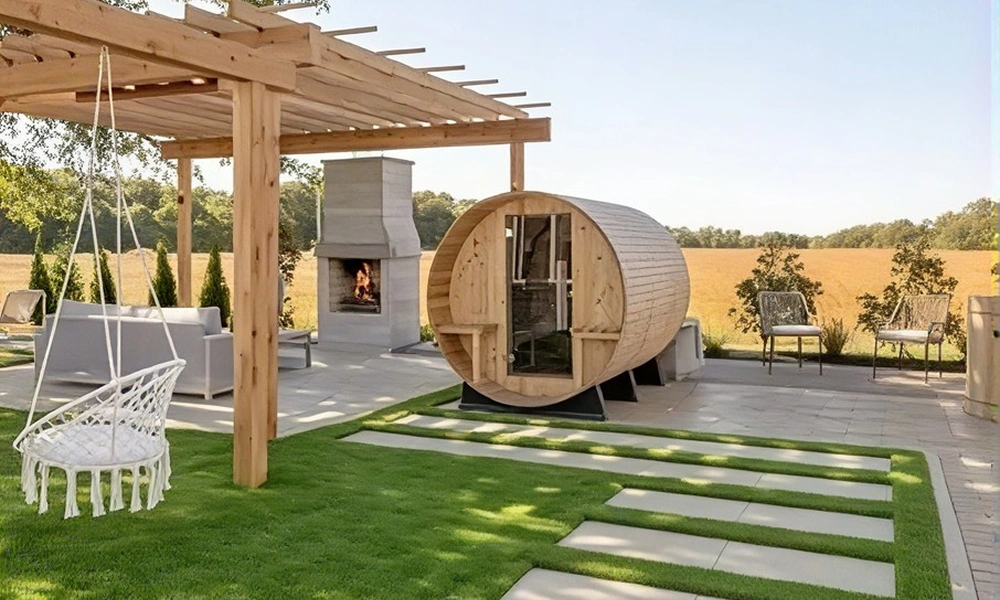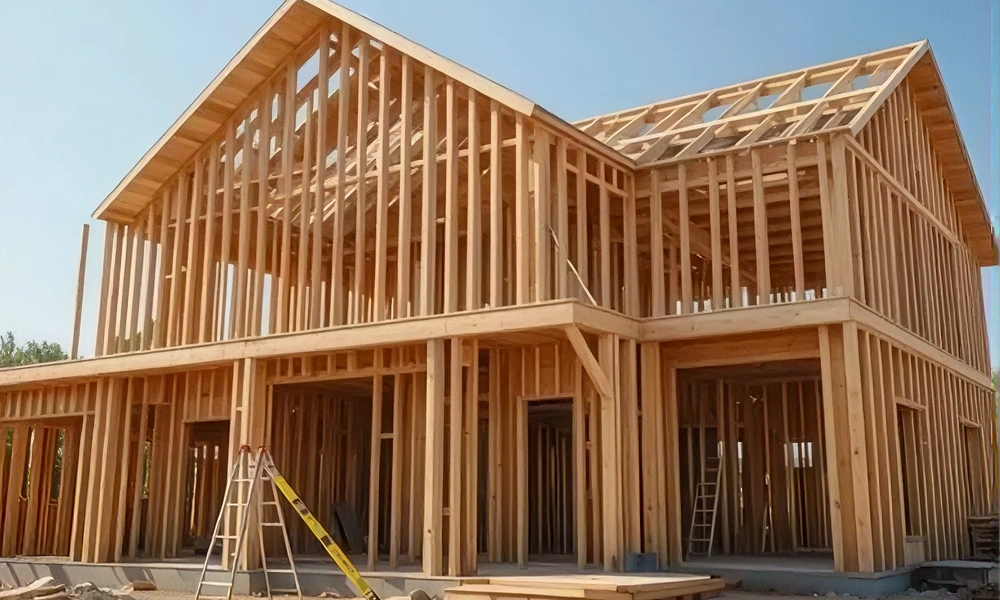
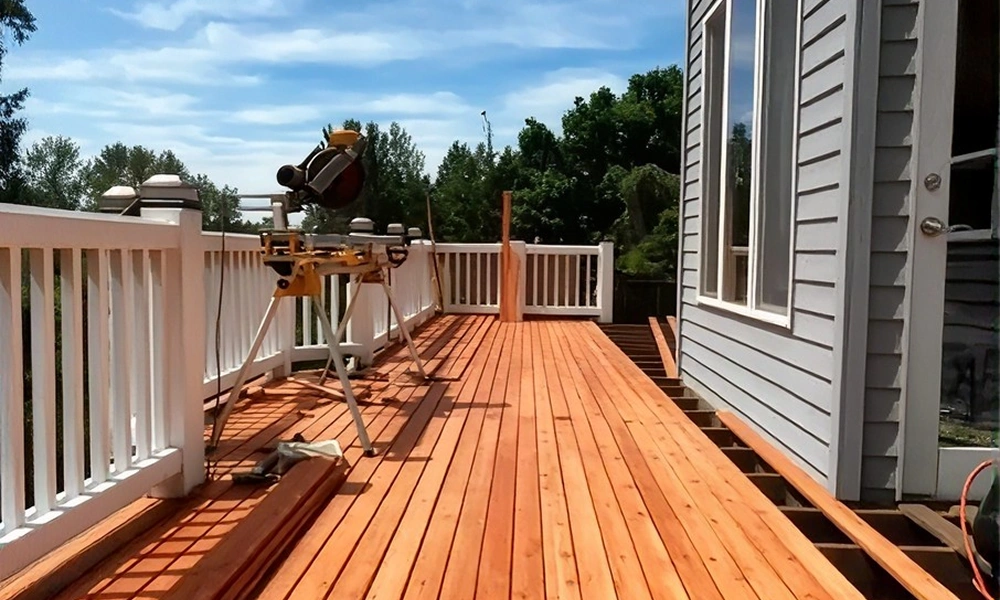
A new deck can completely change how you use your outdoor space. Whether you want a place to relax, entertain guests, enjoy family meals, or simply make better use of your backyard, good planning is the first step toward getting the result you want.
Before starting a deck project, there are several important details to consider—from choosing the right decking material to planning the layout, railings, lighting, and permits.
1. Determine How You’ll Use the Deck
Think about how you and your family will actually use the space. Will it be mainly for outdoor dining, entertaining, relaxing, or a mix of everything?
Your intended use can help determine the deck’s size, layout, seating areas, stairs, and other features. Planning around your lifestyle can make the finished deck much more practical and enjoyable.
2. Choose the Right Decking Material
Pressure-treated wood is a practical and popular option, while Western red cedar offers a natural and warm appearance. Composite and PVC decking can be ideal for homeowners looking for lower maintenance, while IPE wood provides a premium natural look with excellent durability.
The right choice depends on your budget, style, maintenance preferences, and how you want your deck to perform over time.
3. Plan the Size and Layout
The size of your deck should work with both your home and the available backyard space. Consider where the deck will connect to your home, how much room you’ll need for furniture, where stairs should be located, and how people will move through the space. A thoughtful layout can make a deck feel spacious and comfortable without taking up more of your backyard than necessary.
4. Consider Railings and Safety
Railings can provide necessary safety while also becoming an important part of deck’s overall design.
Wood railings can create a traditional look, while glass can help maintain an open view. Aluminum, composite, and metal railings offer other options for homeowners looking for a modern or low-maintenance finish.
Consider the style of your home, the decking material, and the overall look you want when selecting your railings.
5. Think About Privacy
Your deck should feel like a comfortable extension of your home. If your property is close to neighbouring homes, privacy may be an important part of the design.
Privacy walls and screens can help create separation without making the space feel enclosed.
Depending on your design, wood, aluminum, or custom privacy screens can be incorporated into the deck to create a more private and comfortable outdoor area.
6. Plan Outdoor Lighting
A well-designed deck can be enjoyed long after the sun goes down with the right outdoor lighting.
Deck lighting can add a warm atmosphere, while stair lighting can improve visibility. Rail and post lighting can highlight the deck’s design, and lighting around pergolas or other outdoor structures can make the entire backyard feel more inviting.
Planning lighting during the design stage can also help ensure it works naturally with the finished deck.
7. Understand Permits and Local Requirements
Before construction begins, make sure you understand the permit and building requirements that apply to your project.
Requirements can depend on factors such as the deck’s size, height, location, and property layout. For homeowners planning a deck in the GTA or Barrie area, checking local requirements early can help avoid unexpected delays later.
Practical Tips Before Starting Your Deck Project
Before moving ahead with your deck project, consider:
- How you plan to use the space
- The decking material that best suits your lifestyle
- The available space and ideal deck layout
- Railing and privacy requirements
- Outdoor lighting needs
- Your overall project budget
- Applicable permit and building requirements
Having these details considered early can make the design and construction process much smoother.
Conclusion
Building a new deck is a significant addition to your outdoor space, so taking time to plan the details can make a big difference. The right materials, layout, railings, privacy features, and lighting can help create a deck that looks great and works well for your everyday needs.
A well-planned deck should feel like a natural extension of your home and give you a space you can enjoy for years to come.